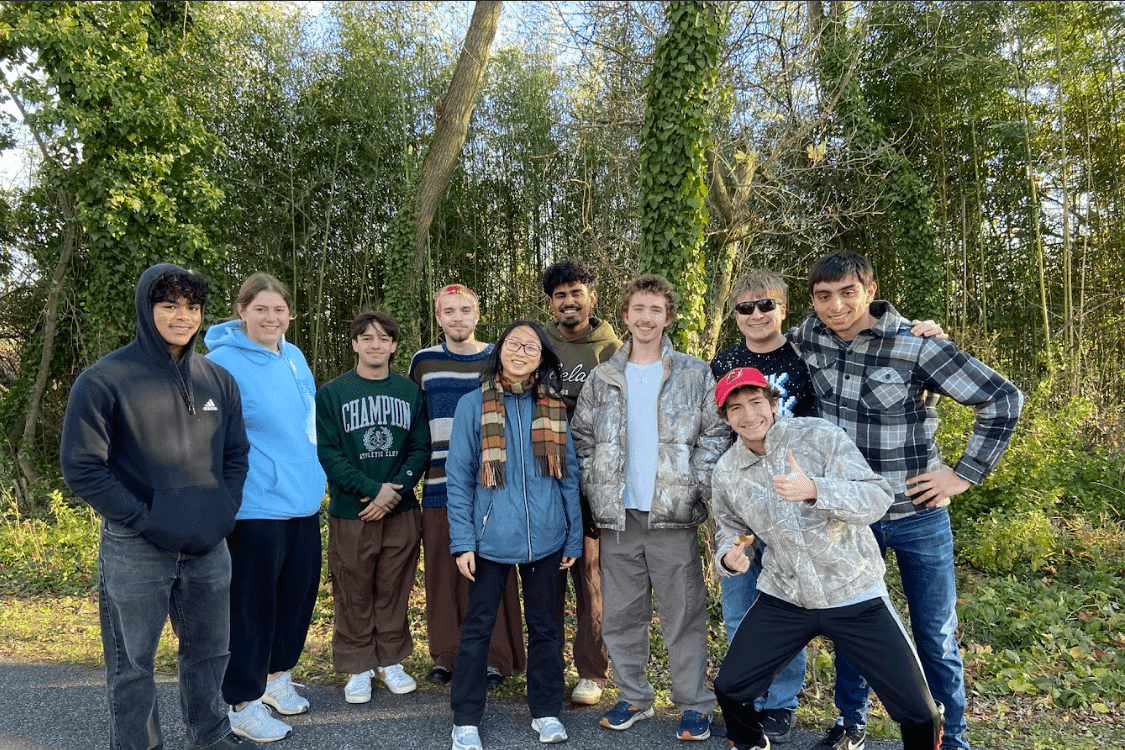
ReachOut Team
The ReachOut team brings engineering education and community-centered service into local spaces.
Not all EWB projects are overseas. The ReachOut team works locally in the Newark/Wilmington area to bring engineering, education, and service into the community.
After School Engineering Program
Inspiring Future Engineers: ReachOut's Hands-On STEM Program at Thomas Edison Charter School
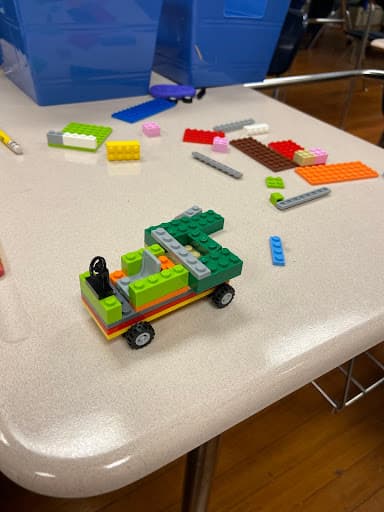
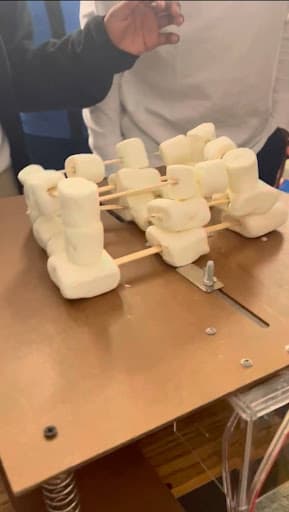
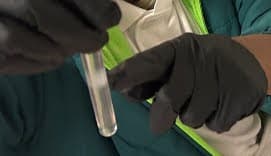
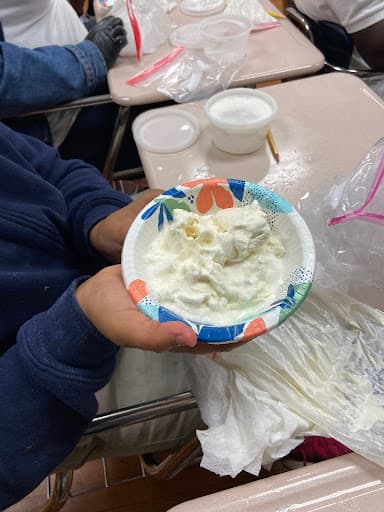
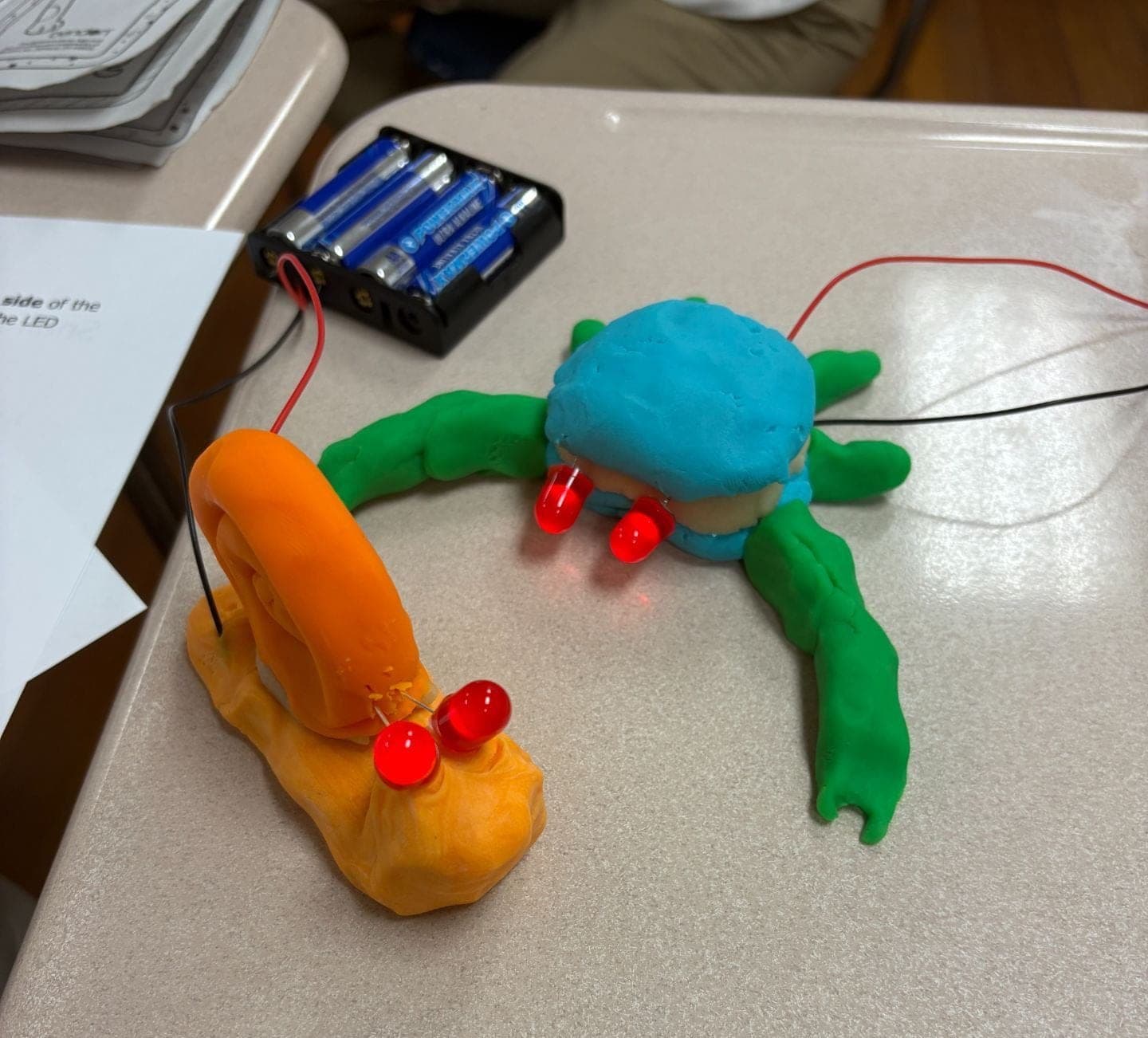
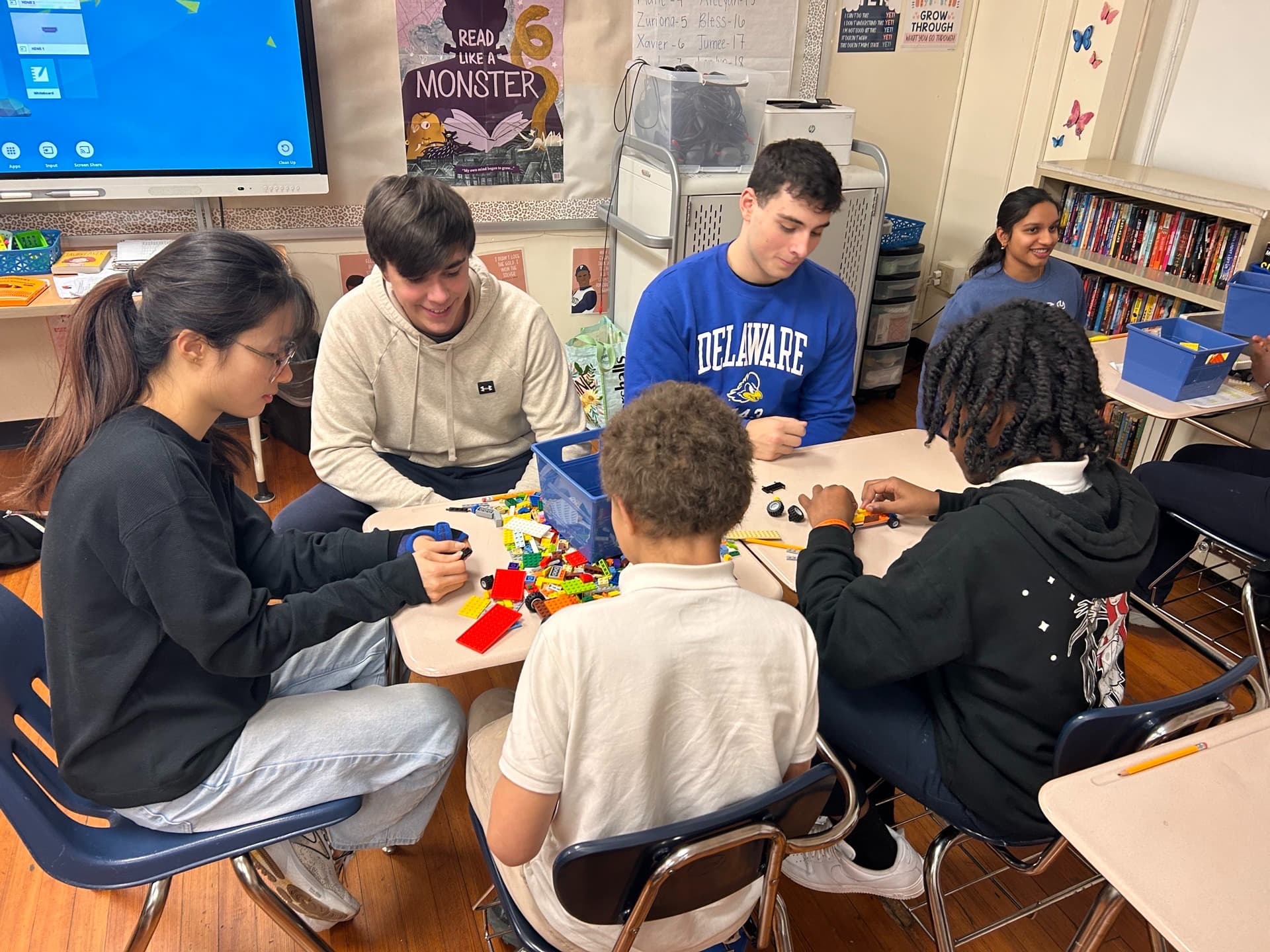
Spearheaded by Reachout PM Matt Whisner, EWB-UD members travel from UD to Thomas Edison Charter School every other Wednesday to lead hands-on STEM lessons for 6th-8th grade students. Rather than treating engineering as something abstract, the program is built around interactive activities that let students experiment, ask questions, and see how engineering shows up in real decisions and real designs.
The first semester of lessons has already wrapped up successfully, and the team is now working with students on an engineering project shaped by their own ideas. The bigger goal is simple: help students get excited about the possibility of becoming engineers while building confidence in science, creativity, and problem-solving.
ReachOut is also studying how participating in an engineering afterschool program influences what students want to be when they grow up and how much they enjoy science. That work has been shared with interested partners and presented at the 2026 Mid-Atlantic American Society for Engineering Education conference, extending the impact of the program beyond the classroom itself.
Playhouse Initiative
Designing Safe Play: ReachOut's Playhouse Project at Thomas Edison Charter School
The ReachOut team partners with Thomas Edison Charter School in Wilmington to create a safer and more engaging outdoor area for students. One of the major project constraints is that the school field is a brownfield site, meaning the land has some previous contamination history, such as a leaking underground storage tank, and the team is working with the school to help thoughtfully redevelop part of that space.
For Thomas Edison students in grades K-8, the project centers on designing and implementing a durable playhouse with a sail-shade using engineering principles so it can withstand outdoor conditions and active play. Because the school serves a wide age range, the design has to balance durability, shade, and everyday usability while still feeling inviting to the students who will use it most.
The work also connects to learning and creativity. In partnership with the local nonprofit Four Youth, which provides students with STEAM opportunities, the goal is for the play structure to support curiosity and imagination alongside physical play.
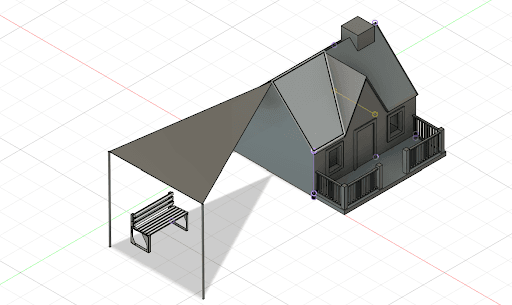
Design Priorities
Durability
Built to handle weather exposure and regular student use.
Shade
A sail-shade element creates a more comfortable outdoor environment.
Age Range
The space must work for students across the full K-8 school community.
PM Spotlight
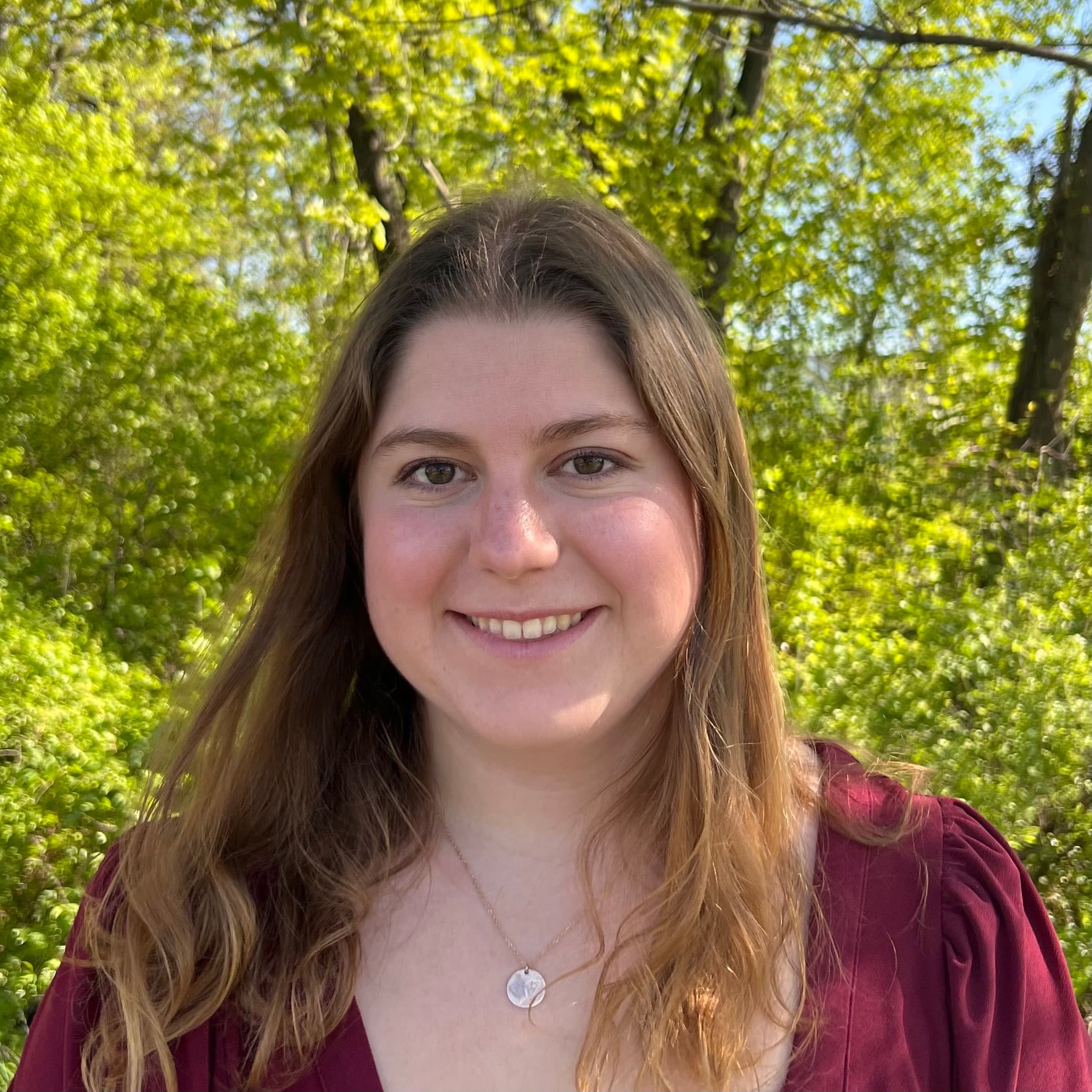
Jenna Hess
Project Manager
How do you balance engineering design decisions with real community needs?
In any engineering project, you need to make decisions based on what you think is best for the community and what is actually best for the community. Sometimes this can be unintuitive, especially if you are unfamiliar with the community and their needs. For our playhouse project, our goal is to increase the use of outdoor space and enhance STEM education. As we began brainstorming ideas, we found that incorporating input from students and school faculty led to the most interesting design choices. Although they may not have been the most “efficient” uses of the outdoor space on paper, they will be more effective in practice if the students and teachers are excited about and willing to use them. In the end, it is the connection with the community that drives a good project.
Community Wellbeing
Community Impact in Action: ReachOut's Local Service Initiatives
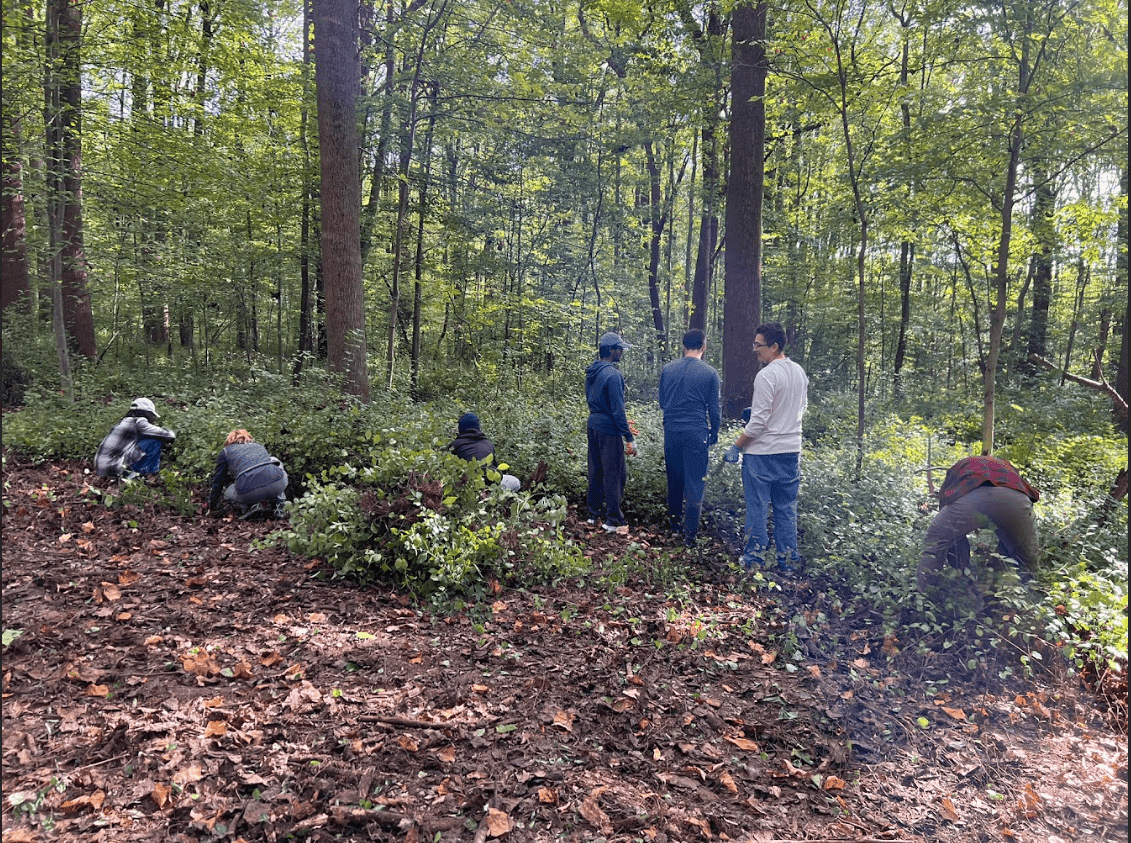
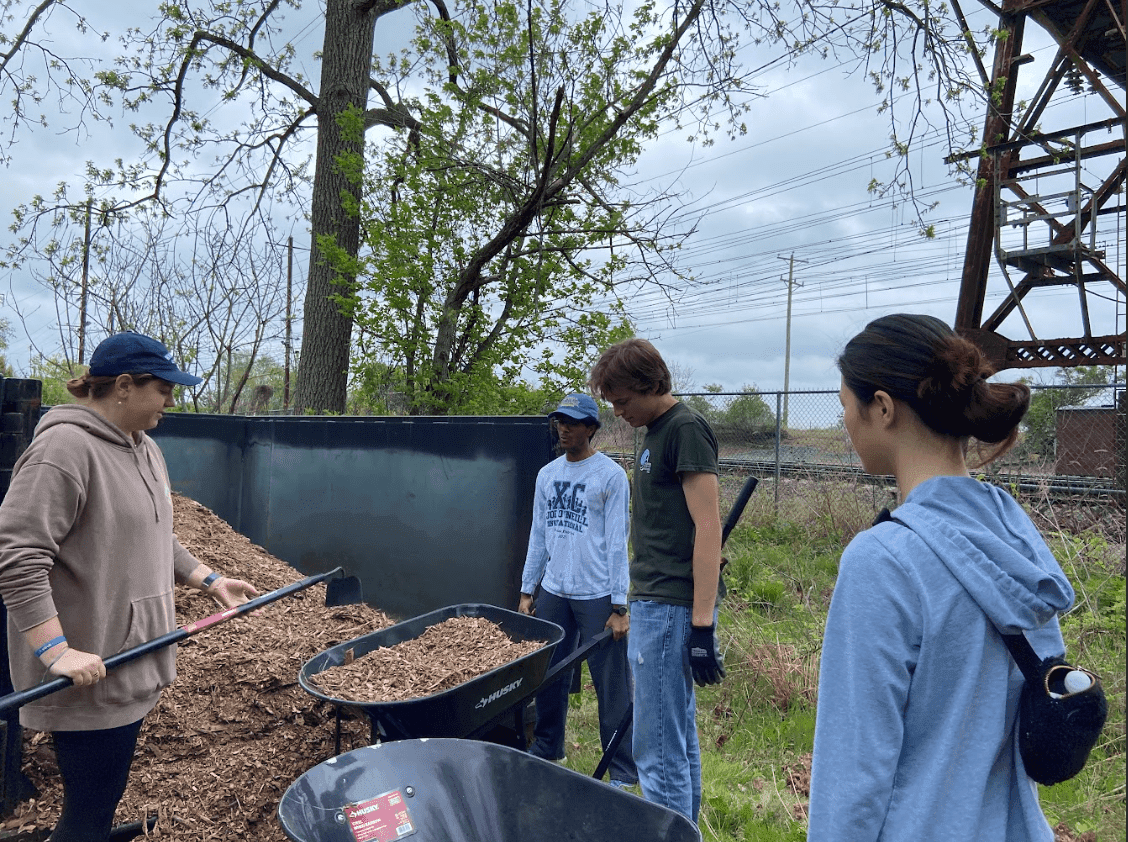
ReachOut is not only limited to school programming. The team also contributes to community wellbeing through local service projects that restore and maintain shared outdoor spaces, including weeding and invasive species removal efforts.
This work includes projects like invasive species removal along Pomeroy Trail, community events like Weed Wars, White Clay Creek trail cleanups, and other local activities where chapter members help support healthier local ecosystems through direct, practical work. These efforts keep ReachOut grounded in service that is visible, immediate, and connected to the surrounding community.
Why It Fits ReachOut
This work expands ReachOut beyond outreach messaging and into direct care for local spaces, showing that community service can be educational, environmental, and hands-on at the same time.