Research Team
Turning Research into Real-World Solutions
The EWB-UD Research Team is committed to expanding access to clean and drinkable water through sustainable and low-cost methods to improve water quality. Current work ranges from filtration and sterilization research to emerging microbial fuel cell concepts, all grounded in student-led lab work and a long-term focus on implementation.
Malawi Water Filtration Project
Advancing Clean Water: Research's Development of Low-Cost Water Filtration Methods for Global Impact
The team's current research centers around innovative filtration systems built to improve water quality using renewable resources that could potentially be sourced even in underserved areas. The short-term goal is to optimize and scale up treatment prototypes through iterative design, while the long-term goal is to implement these methods in Malawian villages.
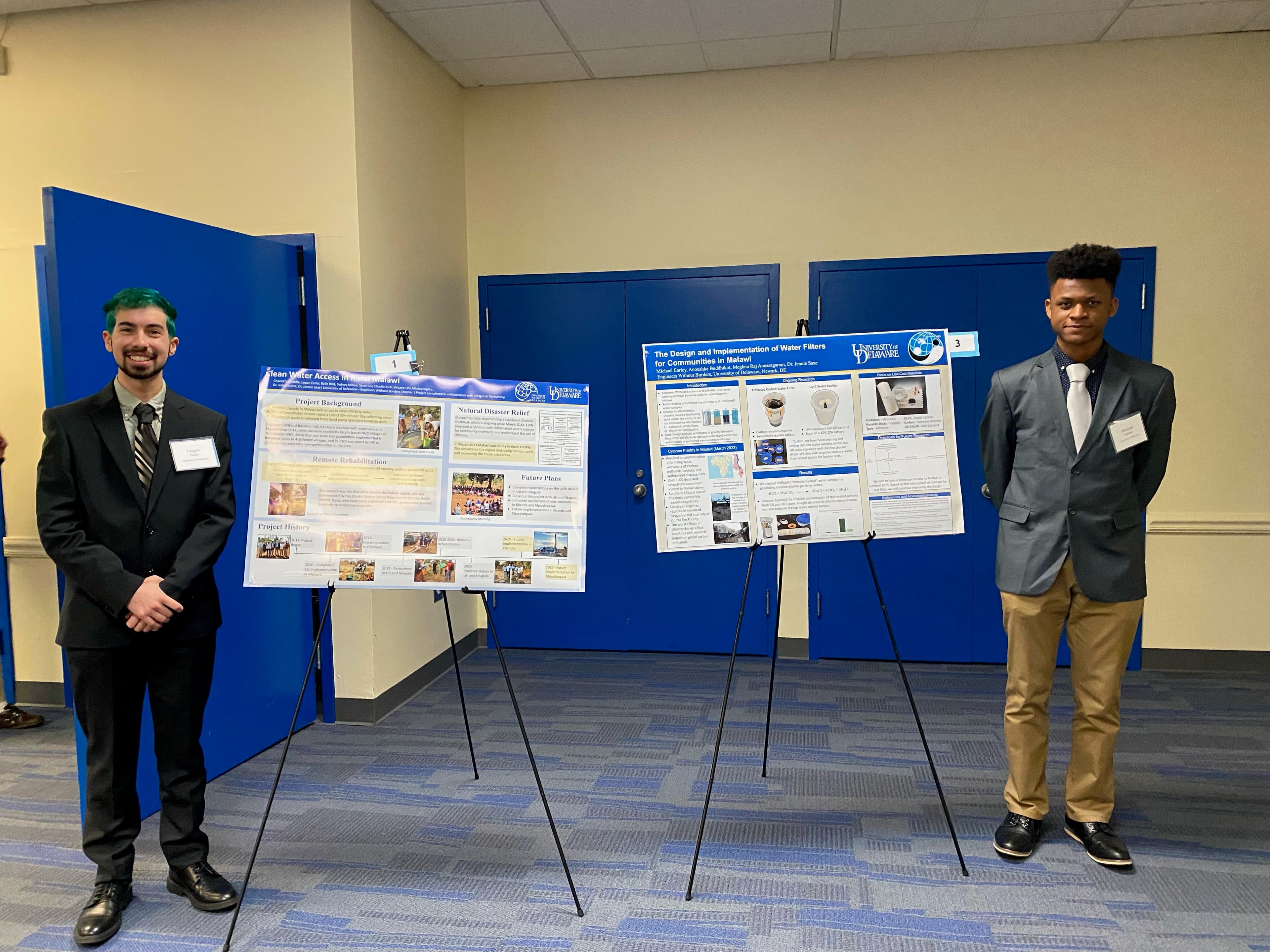
During Spring 2024, the team developed a proof-of-concept activated carbon filter that earned second place at the 9th annual DENIN Research Symposium. While that early design focused on chlorine removal, the project has since pivoted toward treatment methods that more directly target bacteria such as E. coli.
Activated Carbon and Biochar Filters
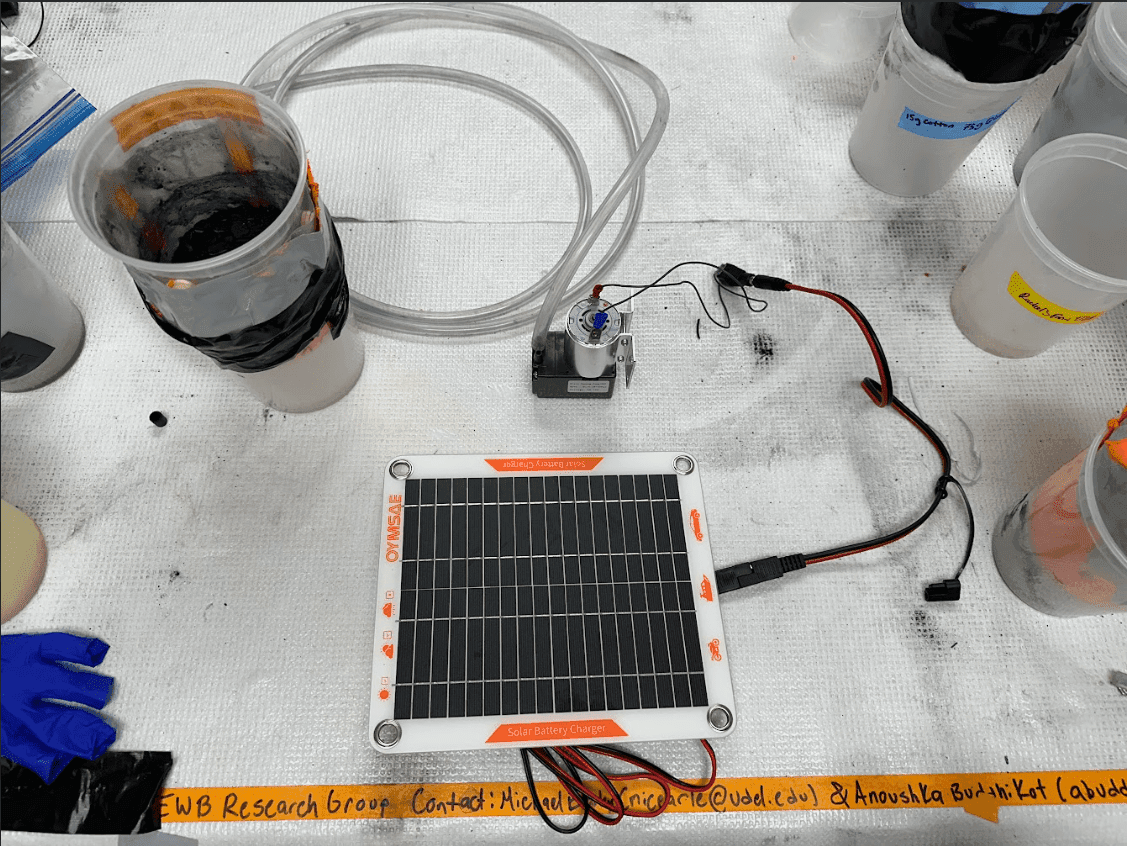
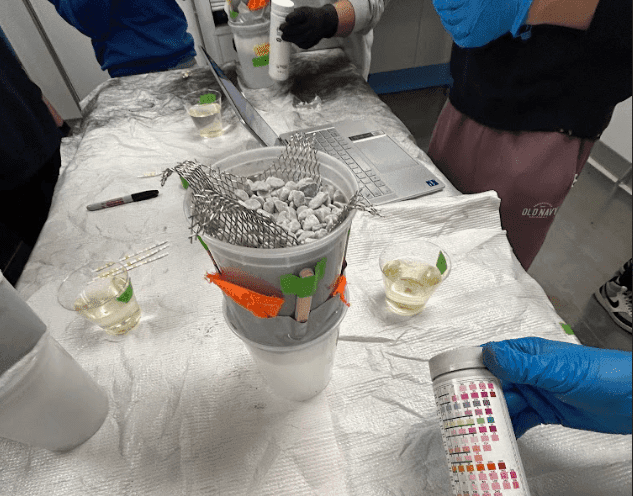
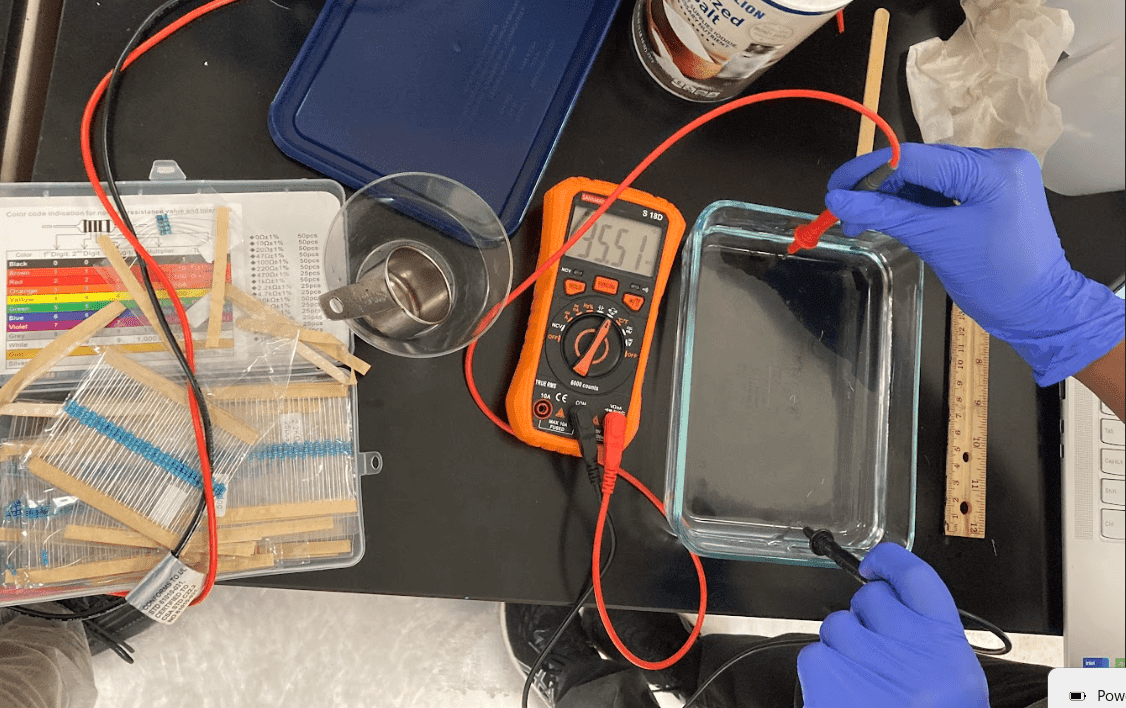
The team is studying activated carbon and biochar as low-cost treatment media that can help remove E. coli and other bacterial contaminants from potential drinking water.
Fired-Clay Filters
Fired-clay systems are being explored as another sustainable filtration direction, offering porous material properties that make them promising for practical water treatment design.
UVC-Light Sterilization
UVC treatment gives the team a non-chemical disinfection path to test alongside filter-based systems, with the goal of improving water quality through extended light exposure.
Microbial Fuel Cells Project
Engineering with Bacteria: Research Team's Initiative Advancing Microbial Fuel Cell Research
Microbial fuel cells use bacteria to break down organic and inorganic matter, generating electrical current. Electrons produced by bacterial activity flow to the anode, travel through a circuit, and reach the cathode. For sustained operation, the anode substrate must be replenished, and mixed microbial cultures typically outperform pure cultures.
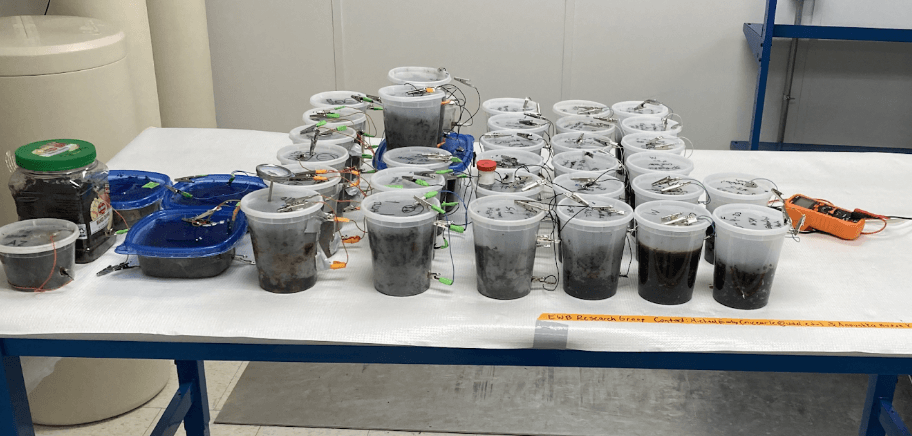
The project also opens up a wide range of experimental questions. Key variables include temperature, pH, electron acceptor choice, electrode surface area, reactor size, and operating time. The goal is not just to build a working system, but to understand which conditions and design choices produce the most stable and useful performance.
Main Idea
Microbial fuel cells use bacteria as catalysts to oxidize organic or inorganic matter and generate current. Electrons released by bacterial activity are transferred to the anode, move through the circuit, and then flow to the cathode.
Core Variables to Test
Important operating parameters include temperature, pH, electron acceptor choice, electrode surface area, reactor size, and operation time. Mixed microbial cultures are often more successful than pure cultures in practice.
Potential Applications
MFCs could eventually support wastewater treatment while producing usable electricity. They also have potential in powering environmental sensors and generating energy from biomass-derived materials.
PM Spotlight
Anu Buddhikot
Project Manager
What skills or experiences gain by being part of this team?
I was inspired to join the research team because it provides an opportunity to get hands-on experience designing and conducting experiments while also learning about new sustainable engineering technologies that can help improve quality of life globally. I've enjoyed getting to present our work at research conferences and connect with other students interested in global sustainable engineering.
Sustainable Engineering and Lab Work
Learning Through Innovation: Student-Led Research Through Real World Lab Practice
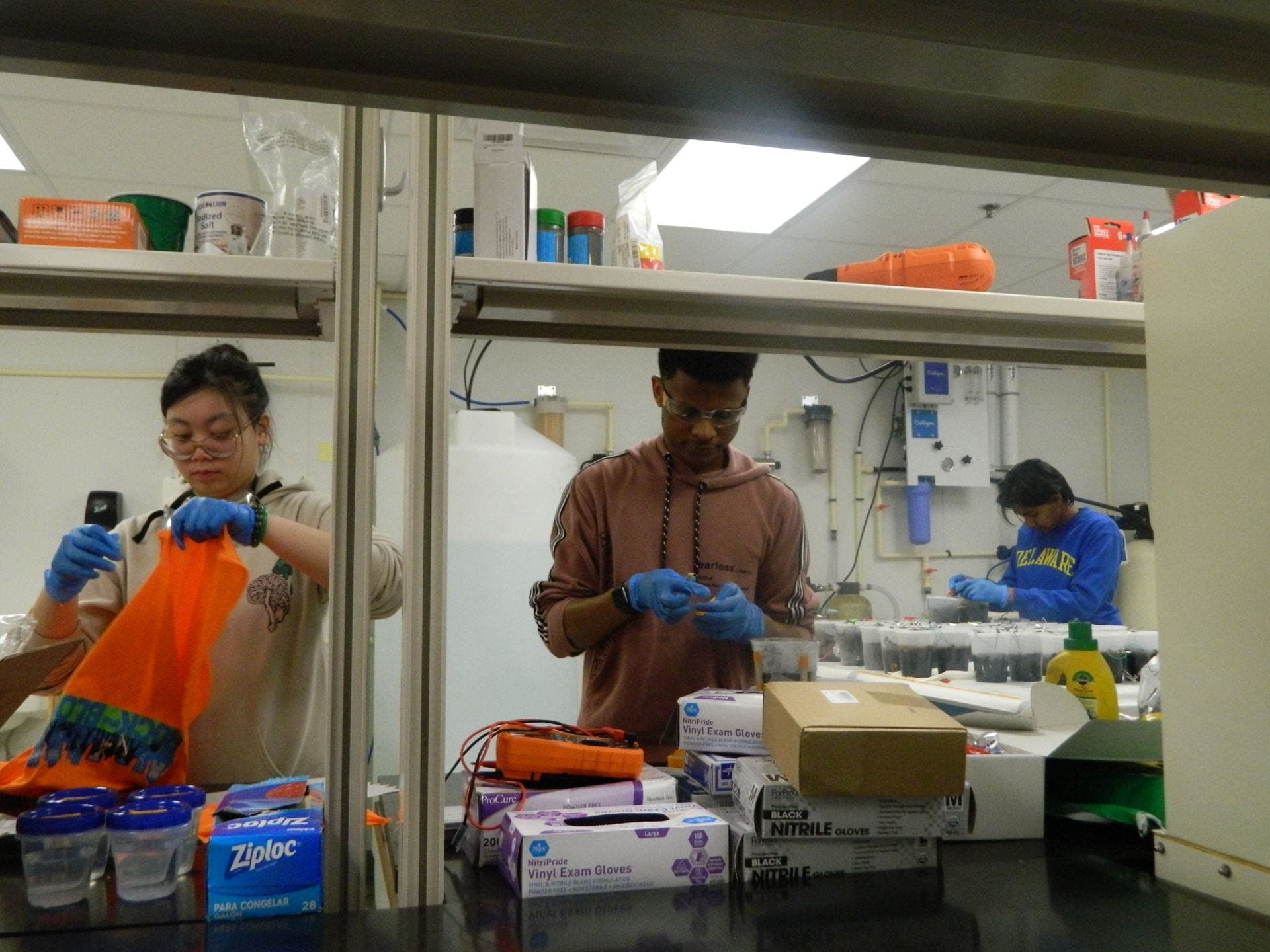
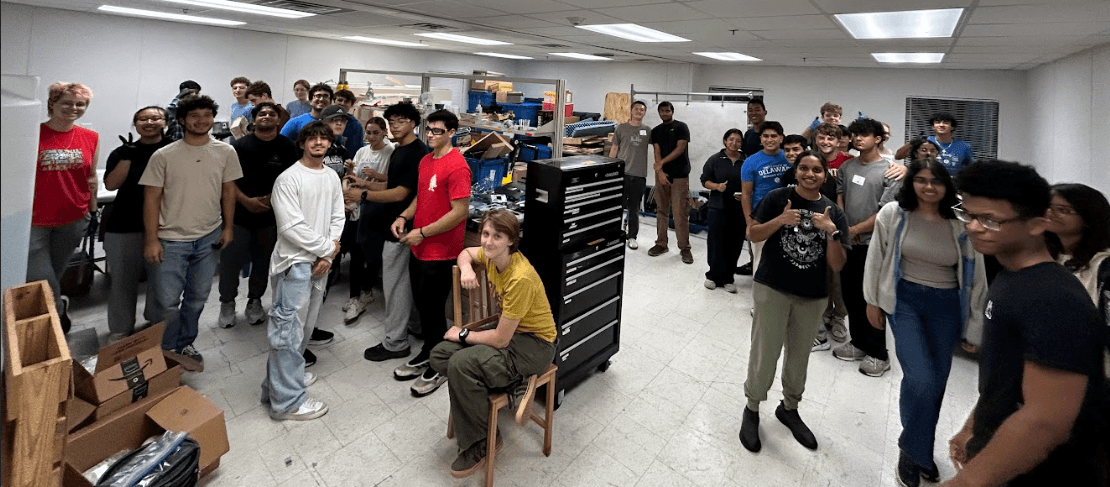
Each week within the STAR Campus research lab, student members design, innovate, and experiment with water purification systems. The research process is intentionally hands-on and self-driven, giving students the chance to move beyond coursework and into real experimental development.
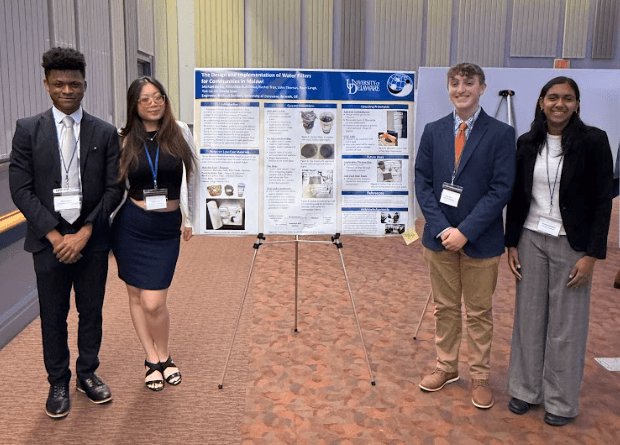
Team members gain experience reading scientific literature, conducting experimental procedures, analyzing data, and communicating technical results to broader audiences. That work does not stay in the lab alone. It also supports presentations beyond campus, including work presentations at multiple conferences.
Team Practices
Designing and iterating on purification prototypes in the STAR Campus research lab each week.
Reading scientific literature to guide design choices and experimental planning.
Conducting experimental procedures and analyzing resulting data to compare performance across treatment methods.
Communicating results to audiences both within EWB and beyond.
Awards and Conferences Attended
Recognition Earned Through Undergraduate Research.
Awards
Second Place — 9th Annual Delaware Environmental Institute (DENIN) Research Symposium (Spring 2024)
First Place — 10th Annual Delaware Environmental Institute (DENIN) Research Symposium (Spring 2025)
Second Place — Philadelphia AMP Research Conference (Spring 2025)
Second Place - Northeast Regional Conference Poster Competition (Spring 2025)
First Place — 11th Annual Delaware Environmental Institute (DENIN) Research Symposium (Spring 2026)
3rd Place — InnovateHER Research Showcase (Spring 2026)
Upcoming Conferences
ASEE Mid-Atlantic Conference (Spring 2026)
ASEE National Conference (Summer 2026)
What These Results Show
The team's results have been shared across the Northeast region through symposium and conference presentations, showing that EWB-UD research is both technically credible and strong enough to compete in broader academic settings.
As the team continues refining its work, conferences remain an important part of how members communicate findings, receive feedback, and strengthen the impact of their research beyond campus.