Water Team
Developing Sustainable Water Solutions for the World
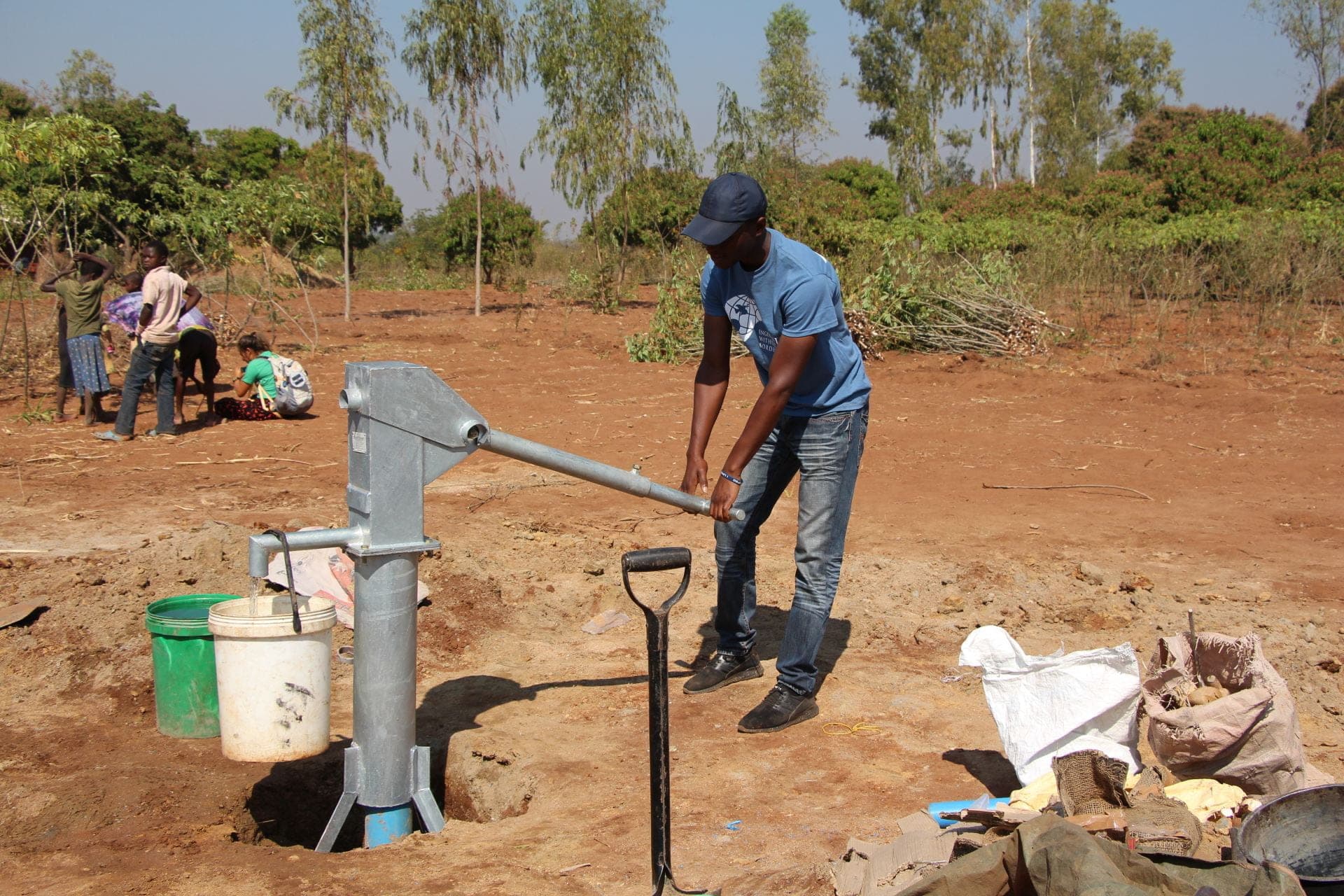
The Water Team is dedicated to creating sustainable water solutions for communities in need across Malawi. Water is life: it nourishes, sustains, and empowers every living being. Our mission is to bring clean, reliable, and safe water access to villages in Malawi, helping families thrive through better health, education, and daily stability. Through innovative engineering, collaboration with local partners, and community-driven approaches, we design and implement systems that not only provide water but also ensure lasting access to essential resources in the communities we serve.
Water Access Challenge
The Challenge
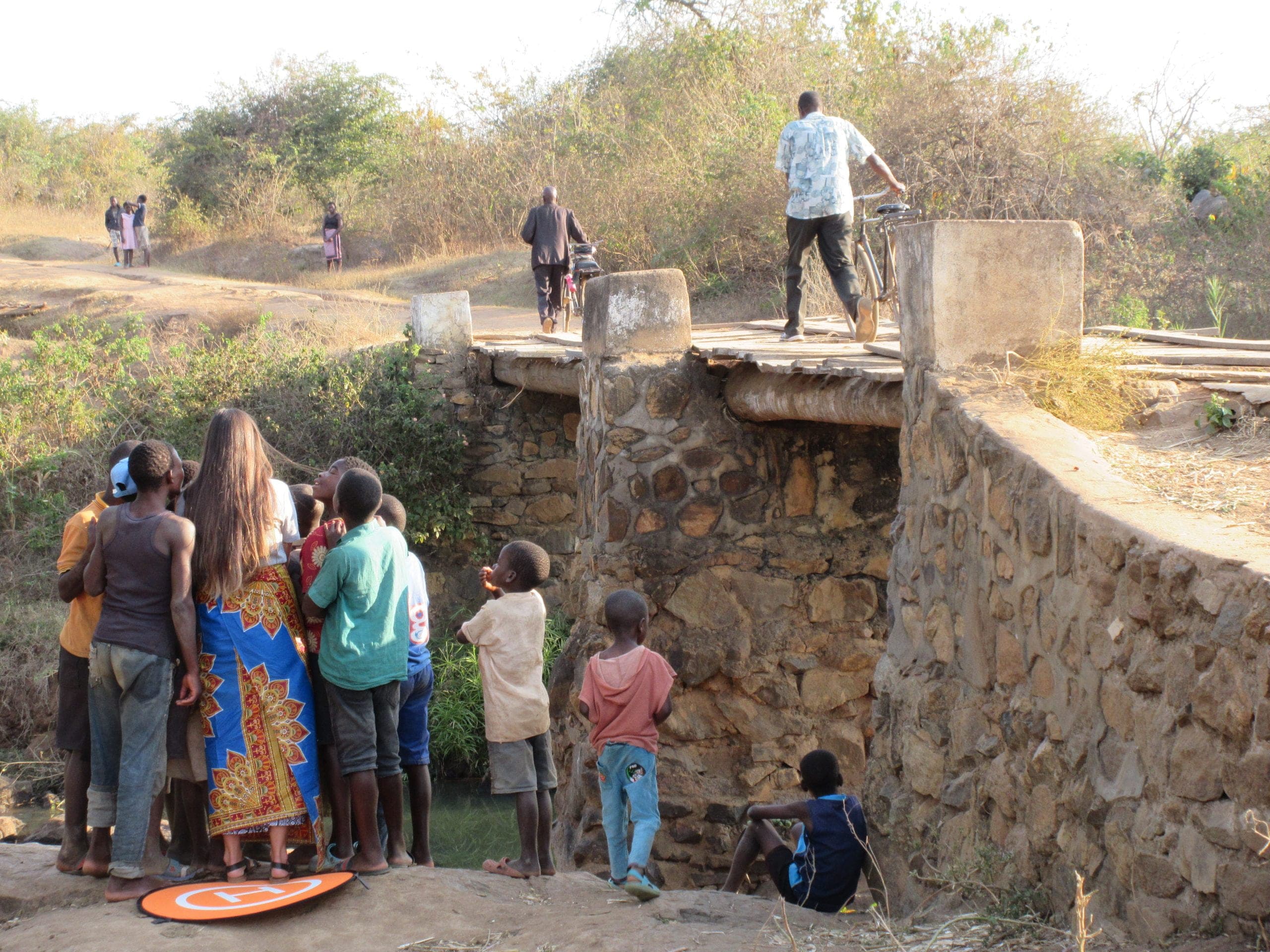
Water-borne illness is widespread across Malawi, especially in communities such as Mphero, Chilimani, Liti, and Nkagula. Nearly half the population in these villages is under fifteen years old, and more than one-third of these children are orphaned and lack adult support. With sources far away, young girls spend hours fetching water each day, reducing time for school or family. When closer, polluted sources are used, illness increases greatly, forcing children to choose between education and fatal diseases. This is why the problem is urgent in Malawi: clean water is essential for health, education, and hope for the future.
Key Impacts
Education Loss
Time spent collecting water replaces school hours.
Health Risks
Unsafe water increases disease exposure.
Daily Burden
Disproportionate burden on children.
Long-Term Partnership
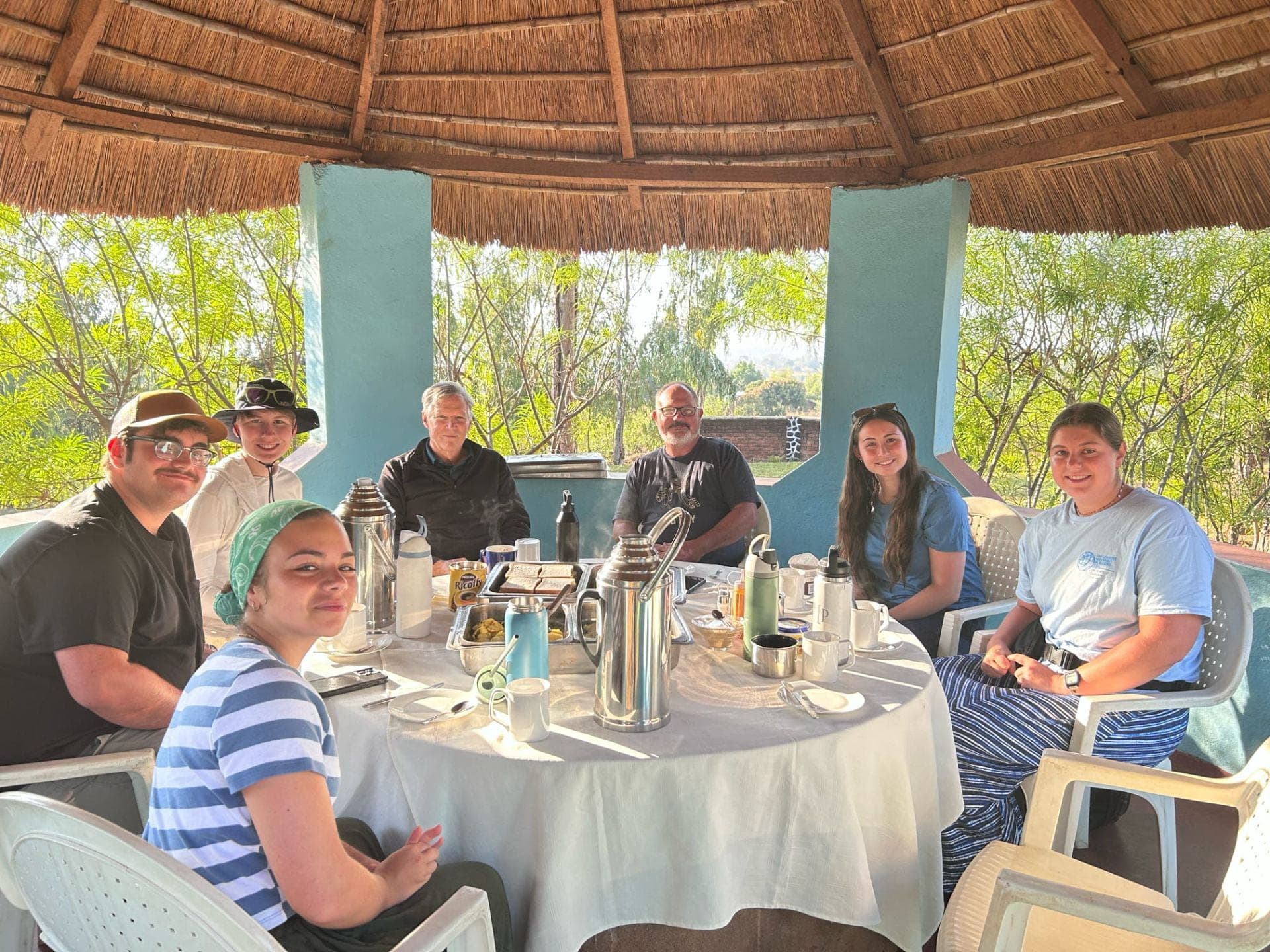
Nearly a decade of sustained collaboration with Malawian communities, engineers, and local partners.
Engineering Impact Timeline
Our Work & Progress
2015 — Project Begins
EWB-UD begins a long-term partnership in the Sakata region of Malawi, identifying severe water insecurity in communities such as Mphero, Chilimani, Liti, and Nkagula. Nearly half the population in these Malawian villages is under 15, and water collection places a heavy burden on children while increasing exposure to disease.
August 2016 — First Implementation
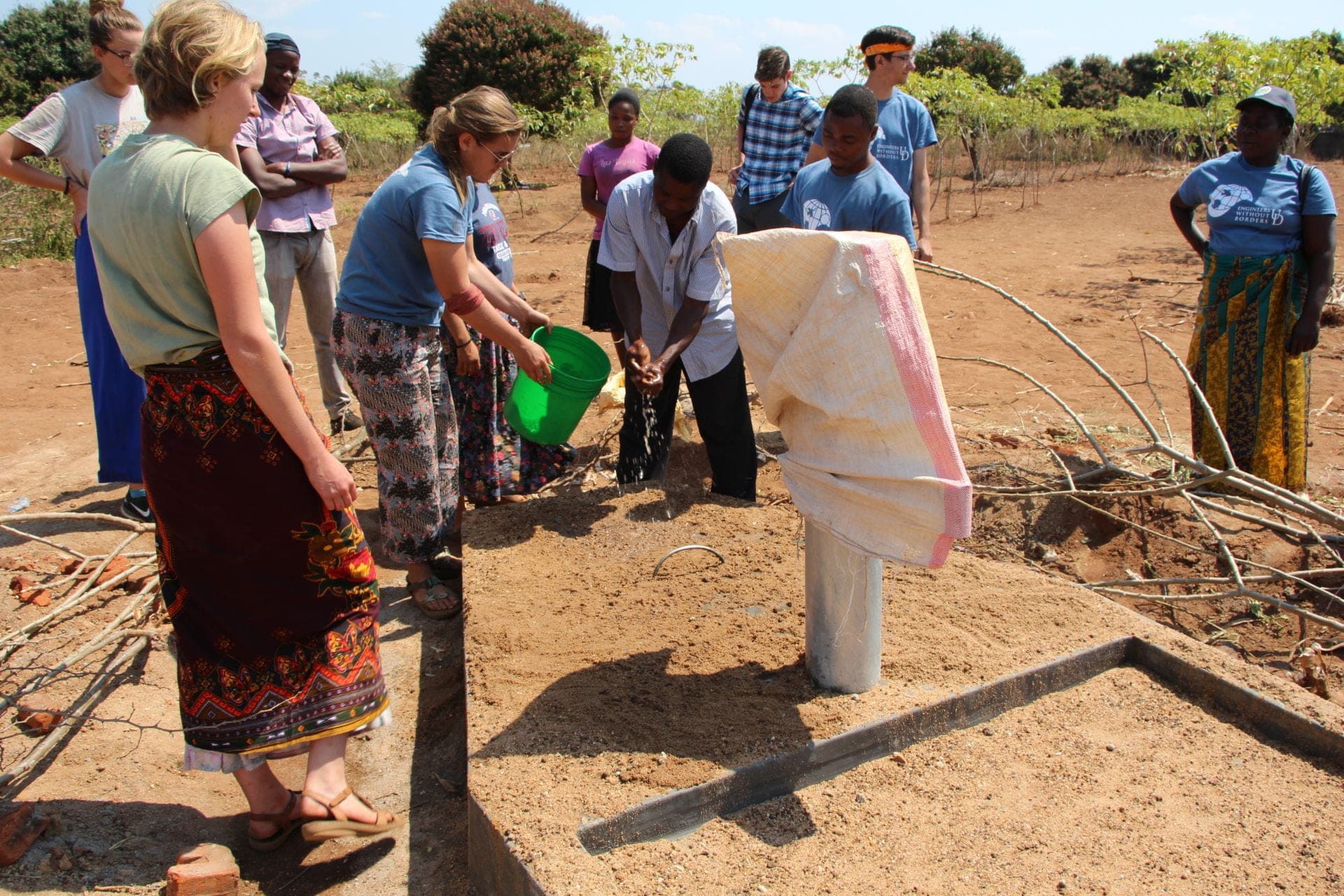
Two assessment trips lead to the design and installation of a borehole well and hand pump in Mphero. This eliminates long travel for water and marks the beginning of long-term infrastructure development. A community education program is also launched with VIP.
August 2019 — Expansion to Liti & Nkagula
The team conducts a major assessment trip to Liti and Nkagula, working with local leadership to identify optimal borehole sites and understand community structure, including water committees and implementation groups.
2020 — COVID-19 Adaptation
Field travel is paused due to the pandemic. The team instead sends maintenance guides and hygiene education materials through VIP. Communities receive handwashing stations, soap distribution, and public health support.
Fall 2021 — Remote Rehabilitation
The Malawi team conducts a remote implementation effort with VIP and Kibbutz Group, successfully inspecting and rehabilitating 12 boreholes in Liti and Nkagula. Community maintenance training is also delivered.
2023 — New Borehole Implementation
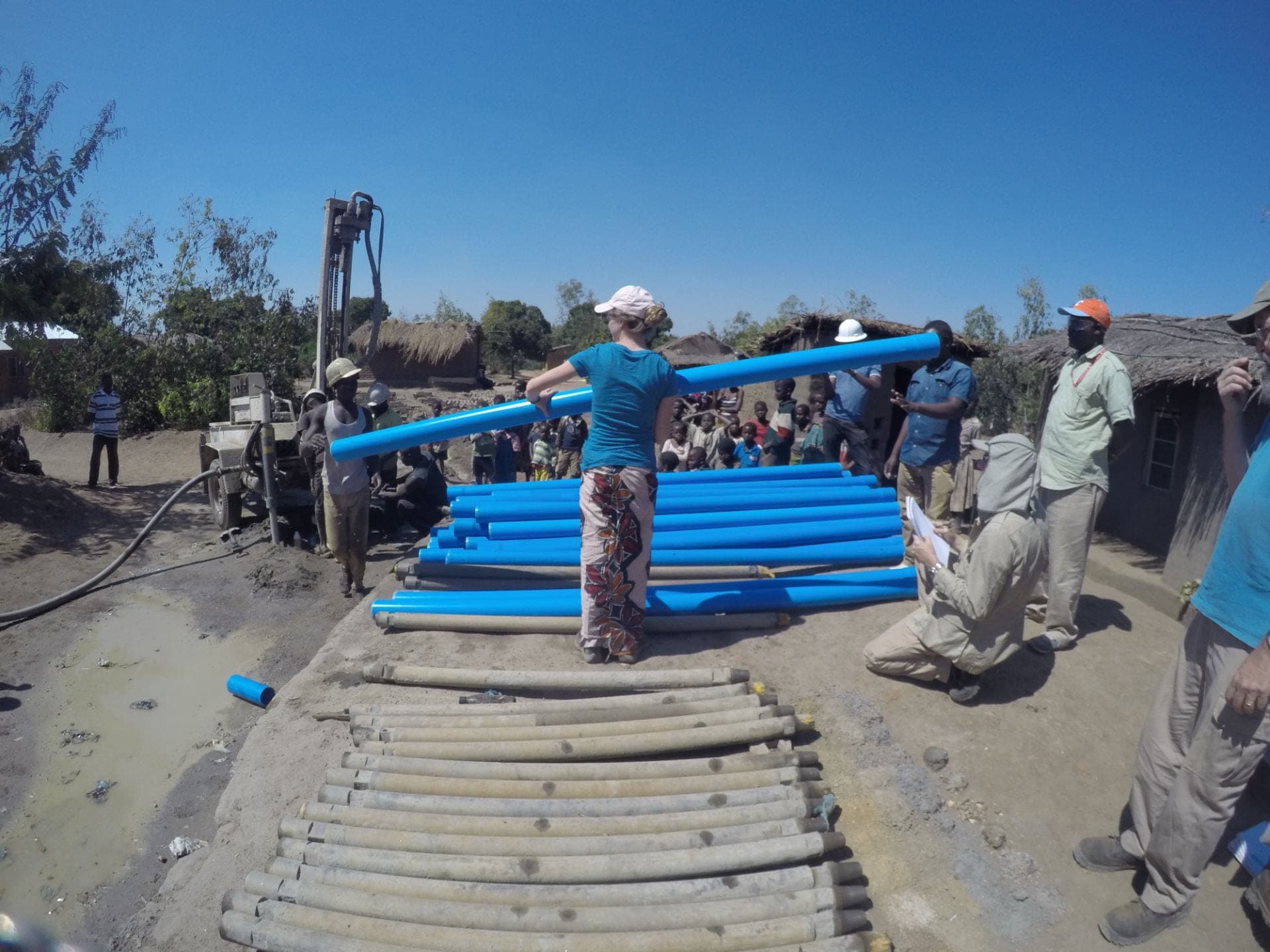
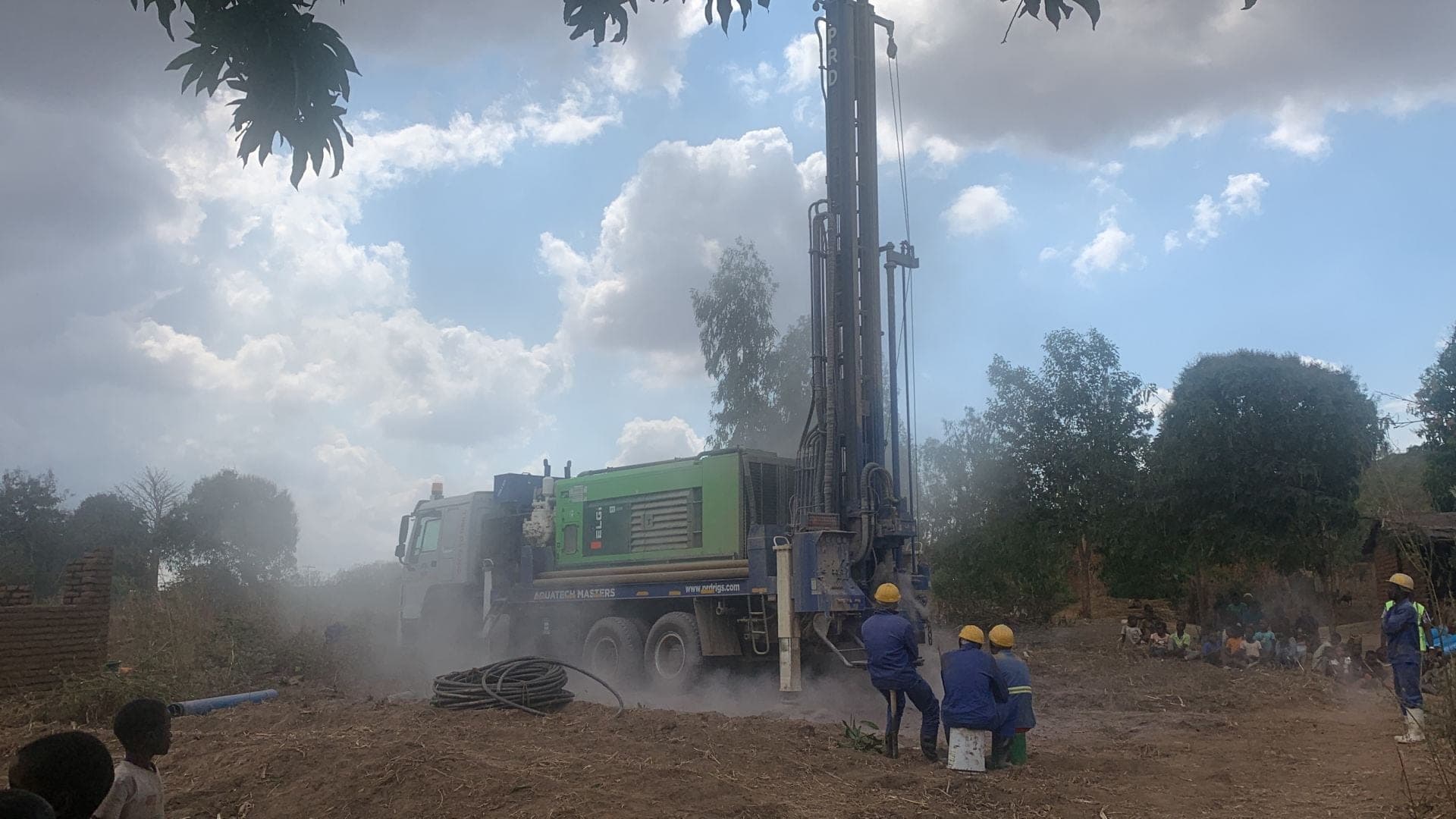
Two new wells are drilled in Liti and Nkagula with Kapitapa Borehole Drilling. Despite a dry borehole attempt, the team adapts and successfully completes both installations. A 3-day maintenance training program is also held for local caretakers.
2024 — New Partnerships
EWB-UD expands partnerships to Khanda and Mgwalangwa villages due to ongoing water access challenges in the region.
August 2025 — Khanda Implementation & Health Assessment
Two boreholes are implemented in Khanda near Lake Chilwa using mud drilling techniques to stabilize sandy soil conditions. The team also conducts preliminary health clinic assessments to support future health initiatives.
2026 — Water Team Revisits Malawi
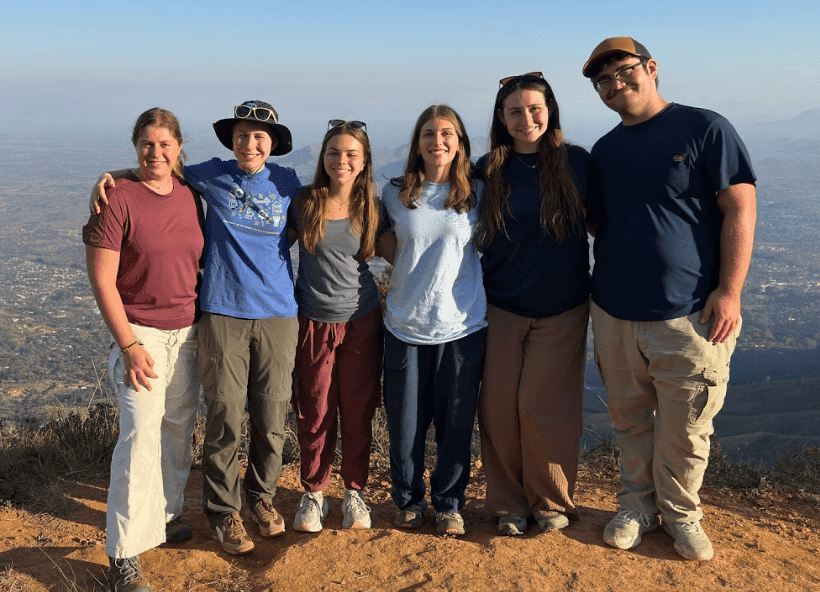
The Water Team returned to finalize and hand over the two boreholes to the Khanda community, while establishing a new partnership with Mgwalangwa. The team also supported the Health Team Initiative through an interview with the Khanda Health Clinic to better understand local healthcare needs.
PM Spotlight
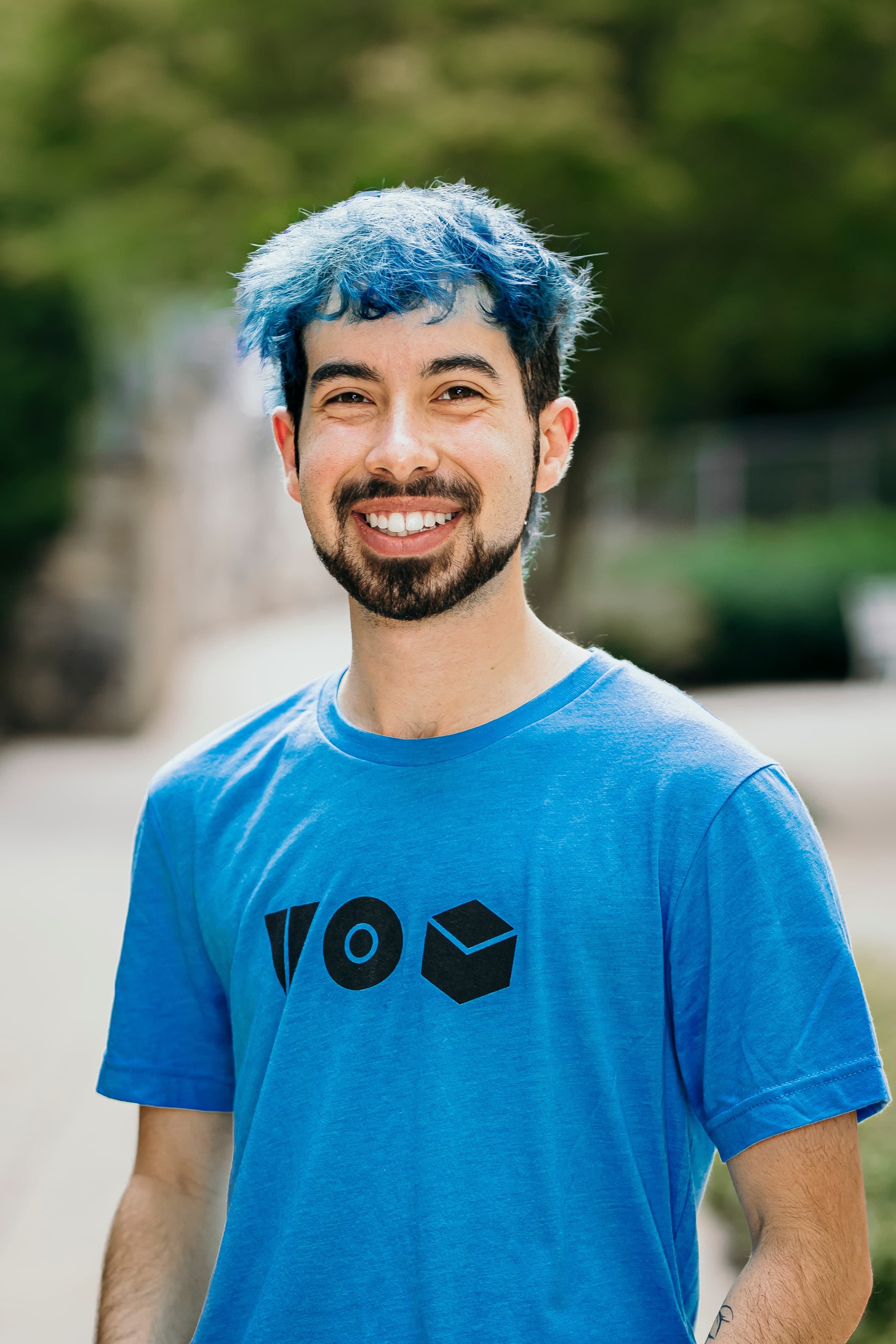
Logan Feiler
Project Manager
What has been one of the most challenging moments in the field or during planning, and how did the team adapt to it?
One of the most challenging moments in the field for me happened during my first trip to Malawi. This was the first implementation trip after Covid and our plan was to drill 2 wells, 1 in Liti and 1 in Nkagula. During our first day of drilling in Liti after several hours of drilling we did not hit water and realized that we had a dry well. This was super disappointing for us and the community, but we had limited time and resources so we knew we had to pivot. We decided to move on to Nkagula while we came up with a plan to move forward. In Nkagula we struck water and had a well that produced a lot of water which after the dry well that morning was even more exciting! With that success we were able to make a new plan that night. We went back to Liti the next day and did more testing to figure out if there was a better location to drill because we had time to try 1 more time. We found that the entire area we wanted to drill a well in had very low resistivity which meant there wasn't a good chance of finding water. We picked the location that had the best chance and luckily the next day we had success and struck water when we drilled. Even though we weren't successful on the first attempt we pivoted, we made a new plan, we did more testing, and ultimately we were able to deliver a well to an area that due to the geology as we saw did not have success in the past which made it feel like an even bigger impact.
Partnerships that Empower Communities
Engineering & Partnerships
The Water Team works closely with Villages in Partnership (VIP), local contractors, and community leaders throughout Malawi to design and implement sustainable water systems. These partnerships ensure that every project reflects local needs in Malawi and can be maintained long after implementation, creating lasting access to safe water in the villages we serve.
VIP helps coordinate communication with communities across Malawi, organize field visits, and support long-term community engagement. Local contractors assist with drilling and construction, while village water committees take ownership of maintenance and daily operation so each borehole remains a reliable source of water for years to come.
- Collaboration with VIP for community coordination and field logistics
- Partnership with local contractors for drilling and implementation
- Hydrogeology-informed site selection and system design
- Training programs for long-term maintenance and sustainability
Award Winning Travel Videos!
EWB-USA 2024 Photo and Video Contest 2nd Place Winner
EWB-USA 2025 Photo and Video Contest 1st Place Winner